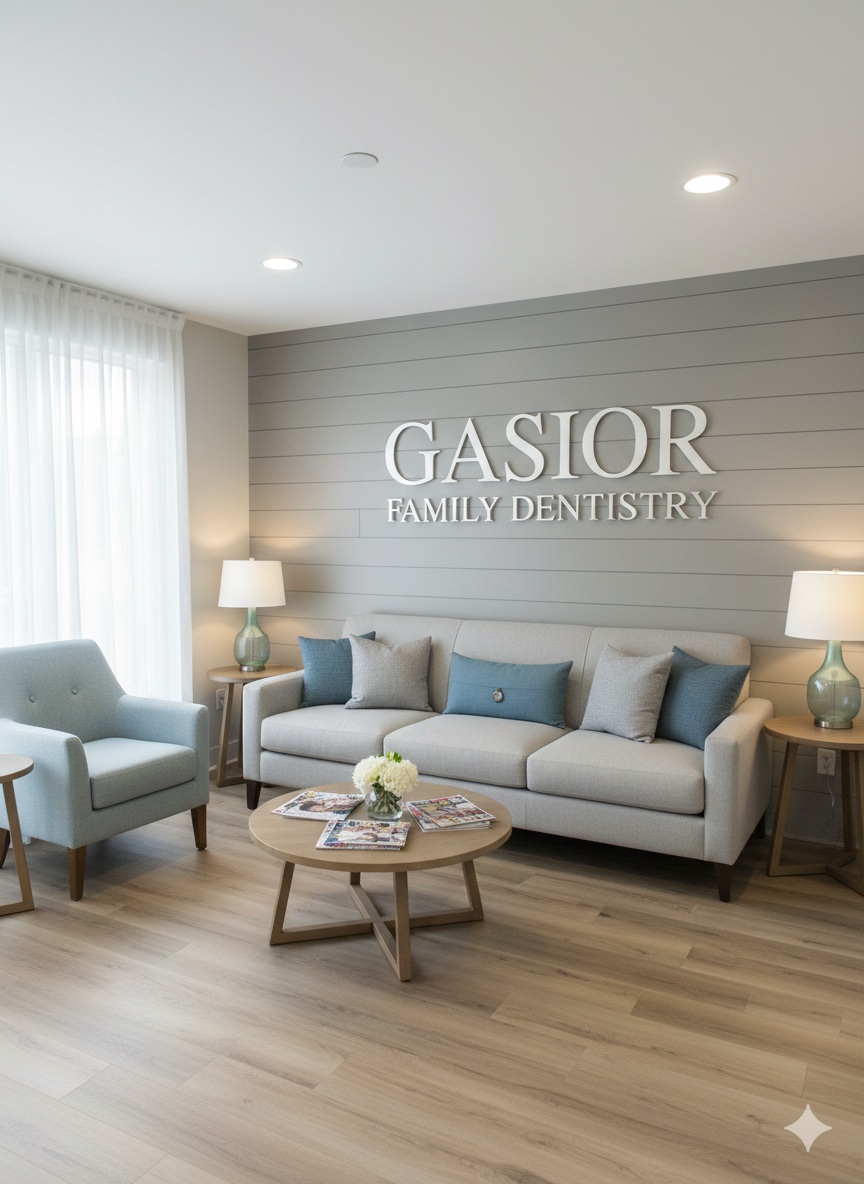
Tooth-Colored Fillings in Ann Arbor, MI
Tooth-colored fillings repair cavities and minor damage while blending seamlessly with your natural teeth for a healthier, more natural-looking smile.
What Are Tooth-Colored Fillings?
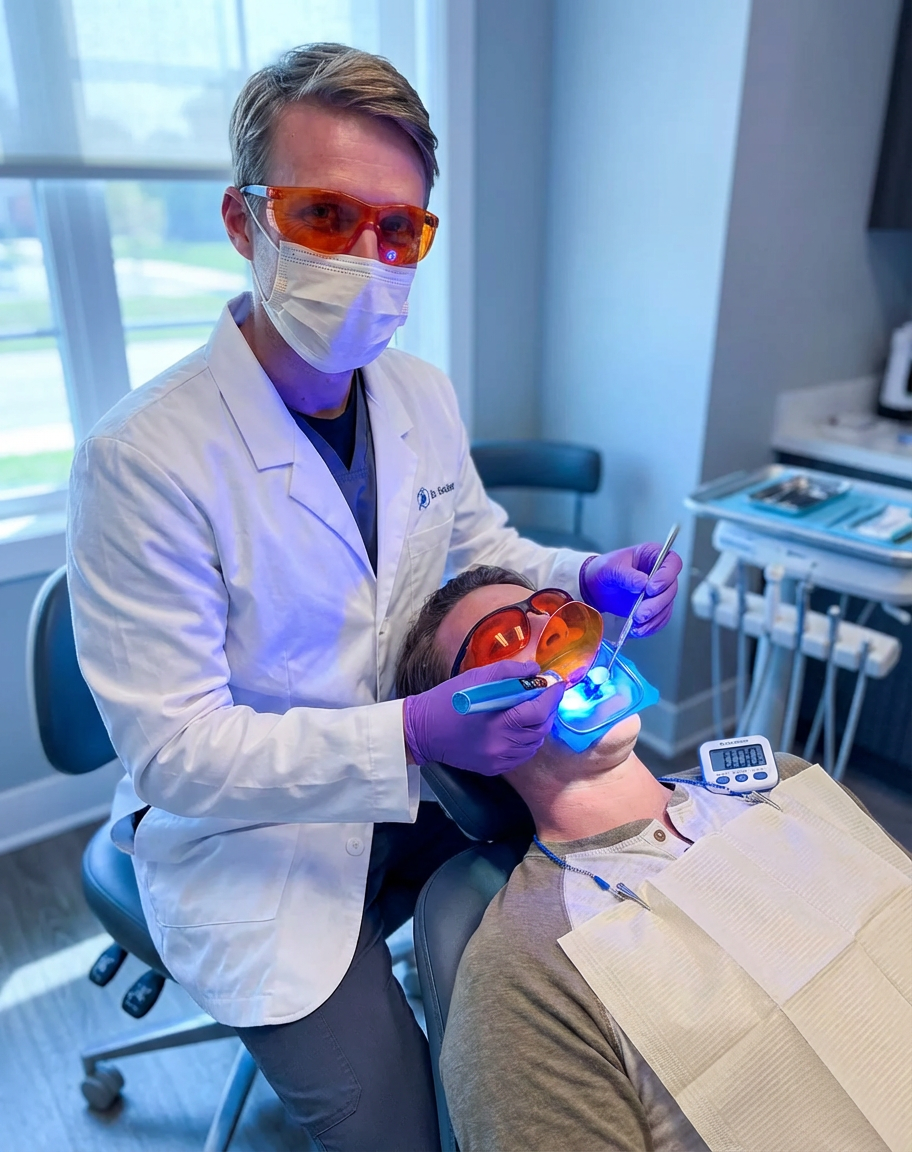
Tooth-colored fillings are made from composite resin materials designed to repair cavities while matching the natural color of your teeth. Unlike traditional metal fillings, composite fillings bond directly to the tooth structure, restoring strength while maintaining a natural appearance. They are commonly used for cavities, small fractures, or replacing older metal fillings.
At Gasior Gasior Family Dentistry in Ann Arbor, MI, tooth-colored fillings are carefully placed to preserve as much natural tooth structure as possible. The material is shaped and polished for a smooth, natural finish, helping restore both function and aesthetics in a single visit.
Comprehensive Family Dental Care
Gasior Family Dental in Ann Arbor, MI provides personalized family dentistry focused on preventive care, comfort, and long-term oral health for patients of all ages.
Routine Cleanings
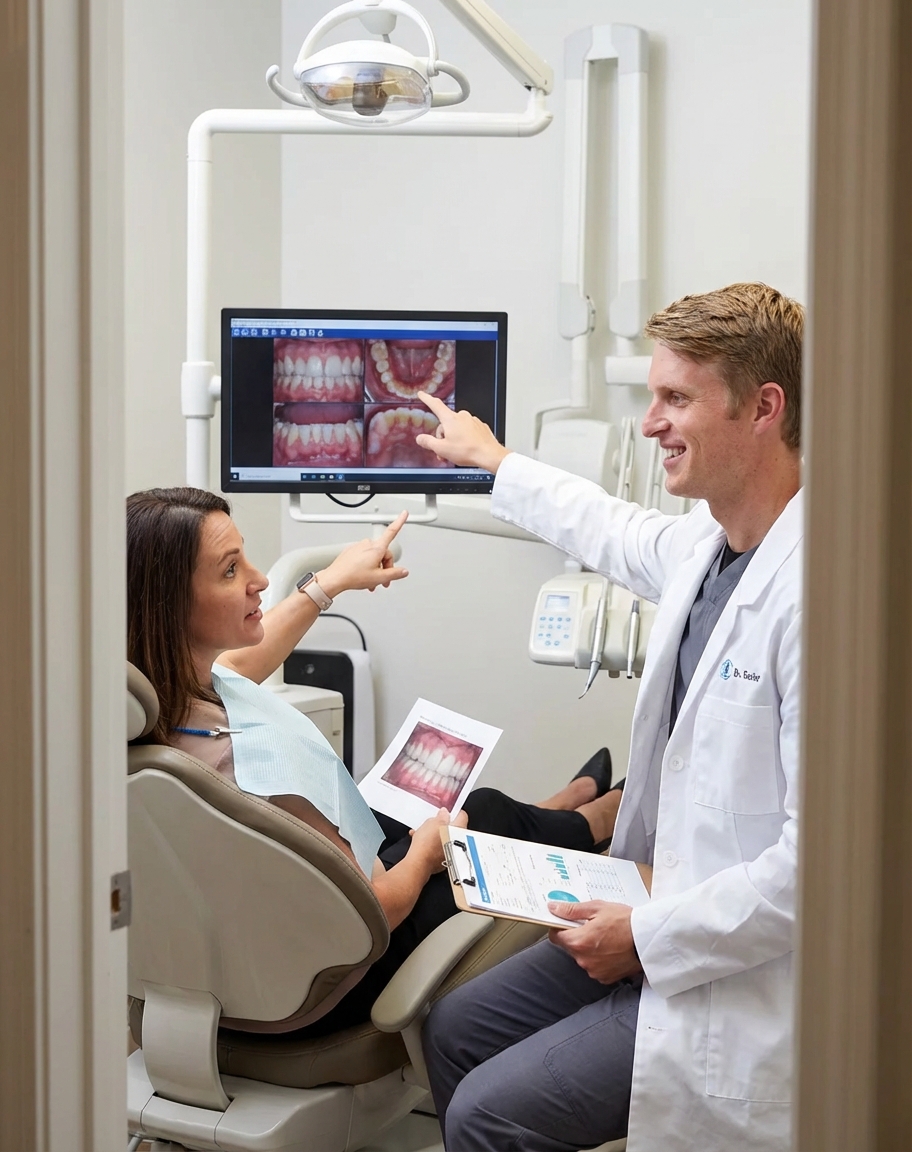
Professional routine cleanings that remove plaque and tartar buildup to support healthier teeth, gums, and long-term oral stability.
Fluoride Treatments
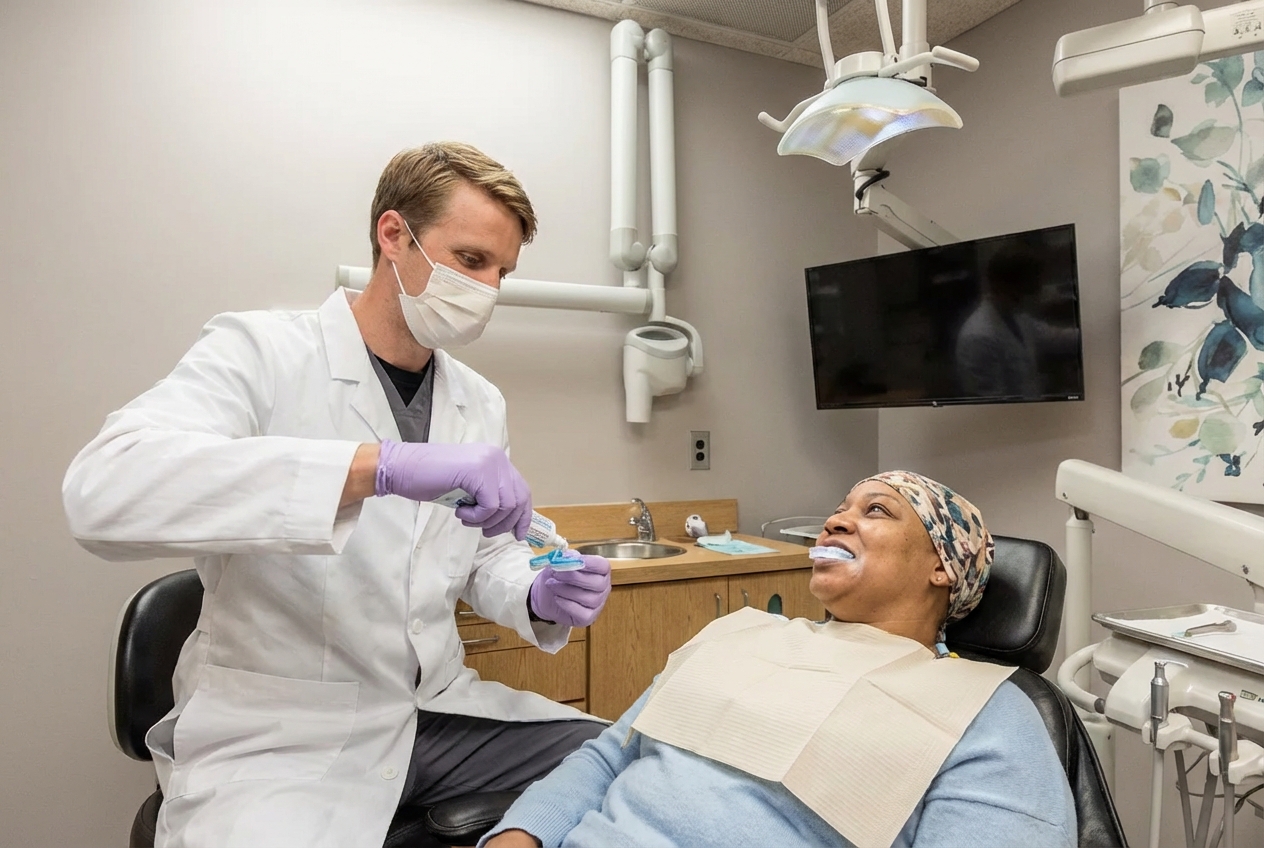
Fluoride treatments help strengthen tooth enamel, reduce the risk of cavities, and protect smiles from decay at every age.

Digital X-Rays
Advanced digital X-rays provide clear, detailed images to help detect dental concerns early and support accurate diagnosis and treatment planning.
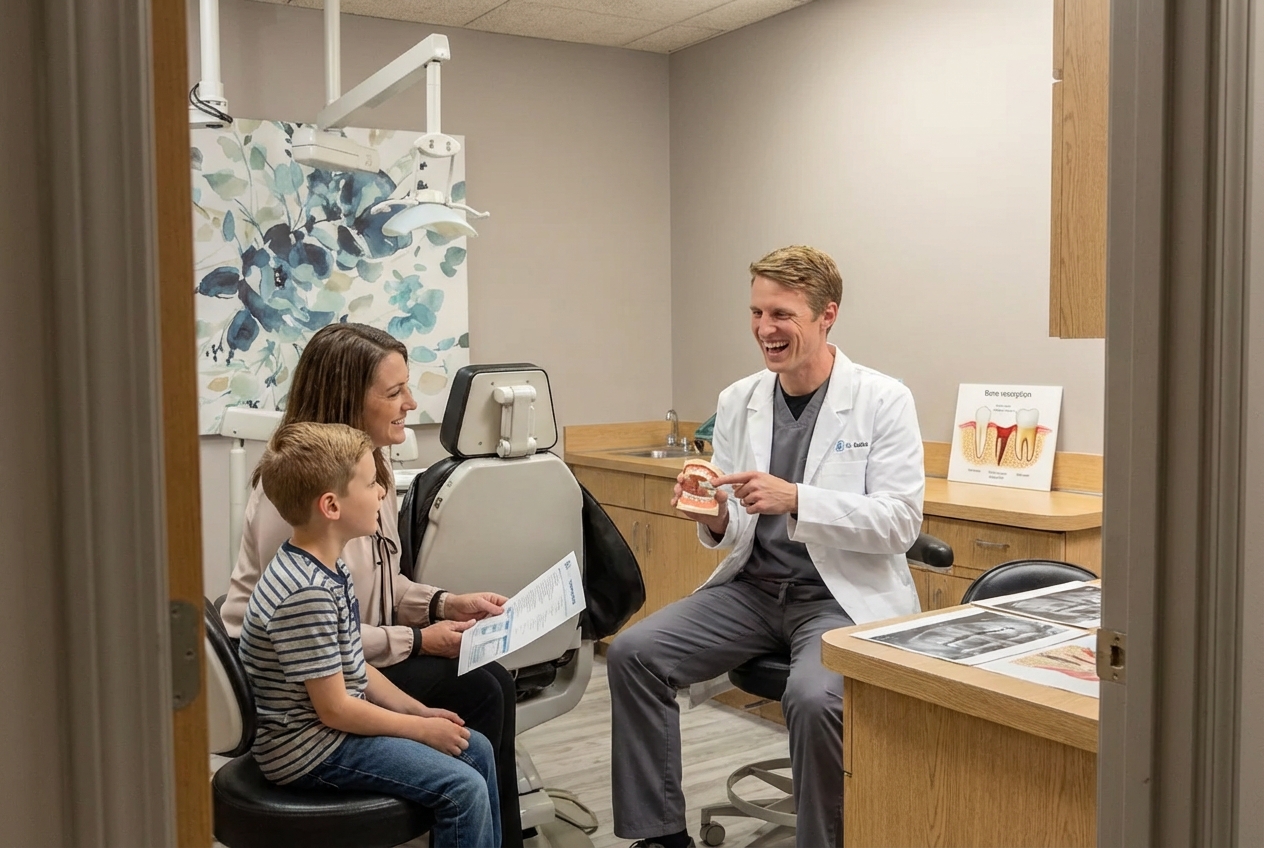

Advanced Cosmetic Dental Care
Each cosmetic dental service at Gasior Family Dental in Ann Arbor, MI is carefully designed to enhance the appearance of your smile while maintaining a natural, balanced look without overcorrection.
.png)
Invisalign
Invisalign clear aligners straighten teeth comfortably and discreetly, helping improve alignment, function, and smile confidence over time.
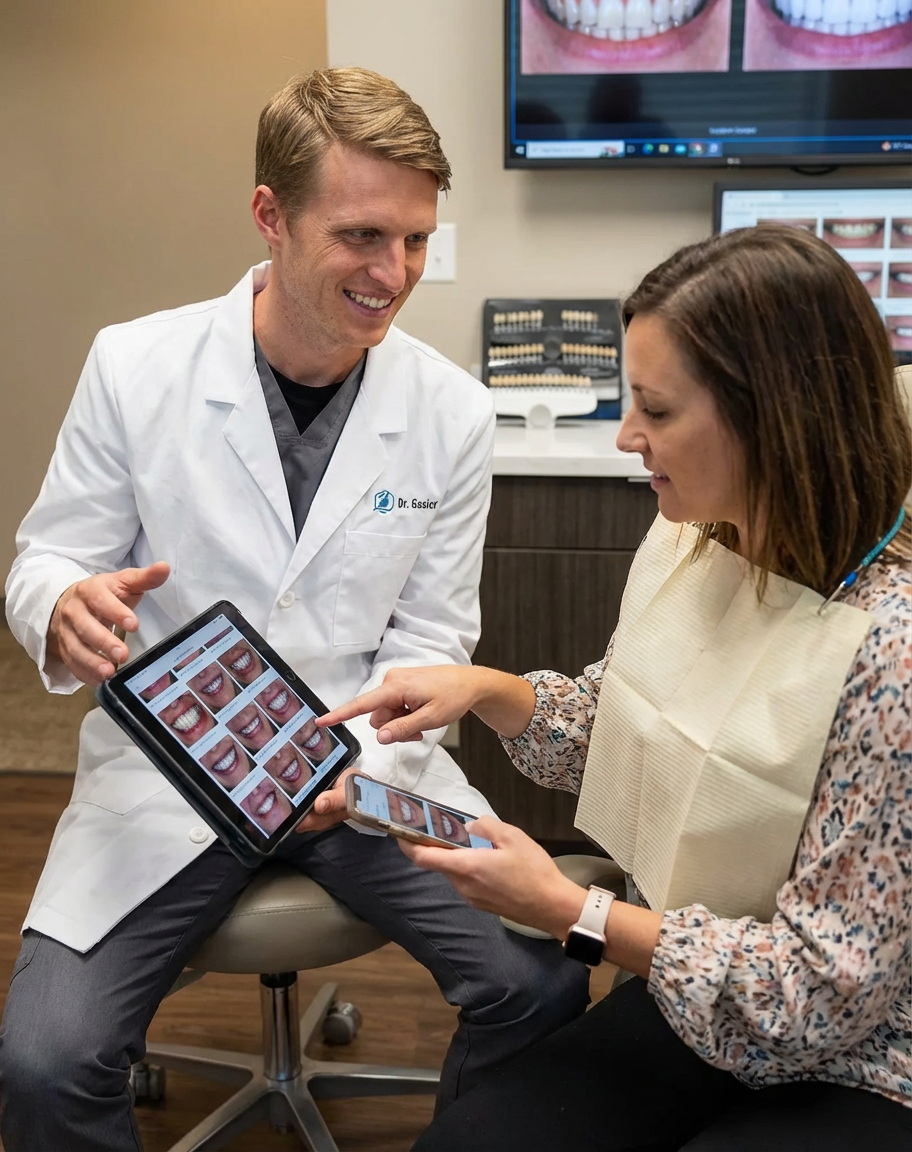
Smile Makeover
Thinking about a smile makeover in Ann Arbor, MI? Personalized cosmetic solutions at Gasior Family Dentistry.
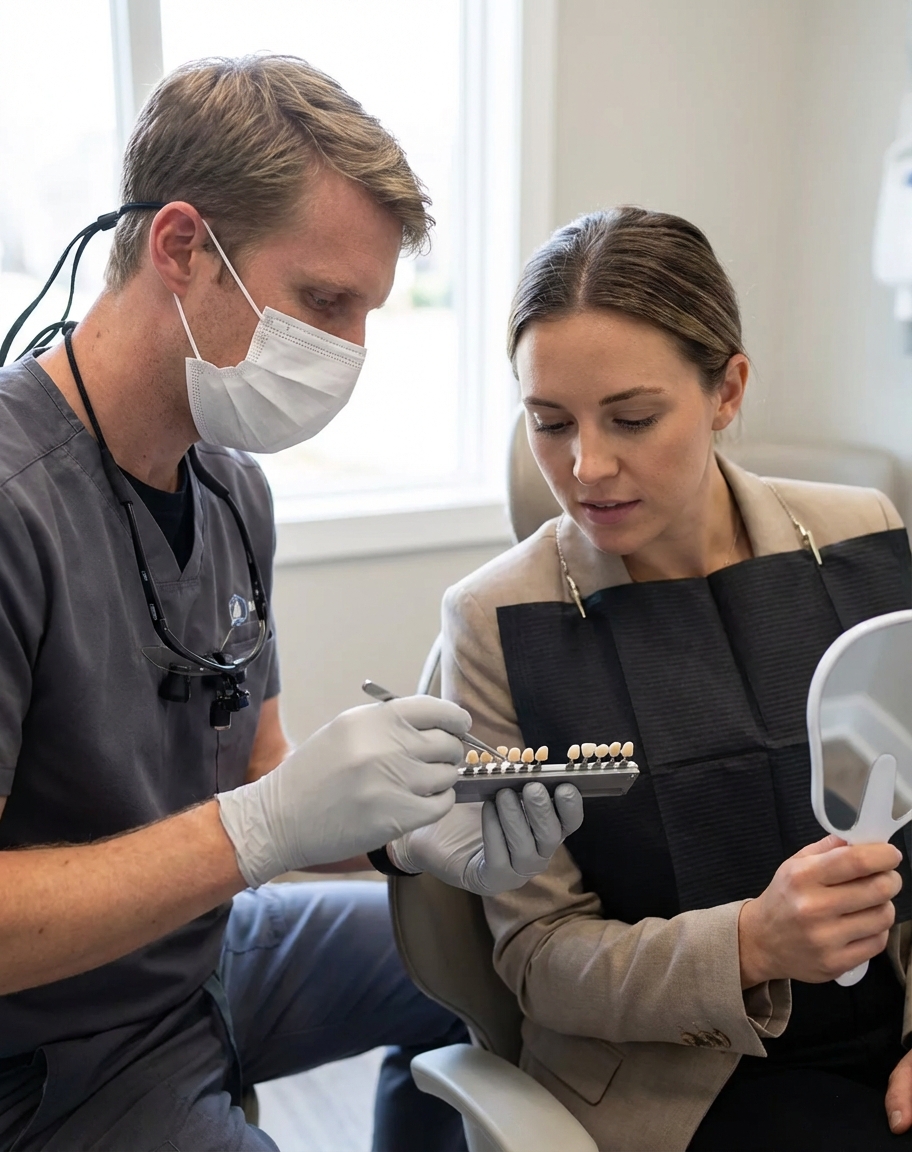
Veneers
Dental veneers enhance the appearance of teeth by improving color, shape, and symmetry, creating a brighter and more balanced smile.
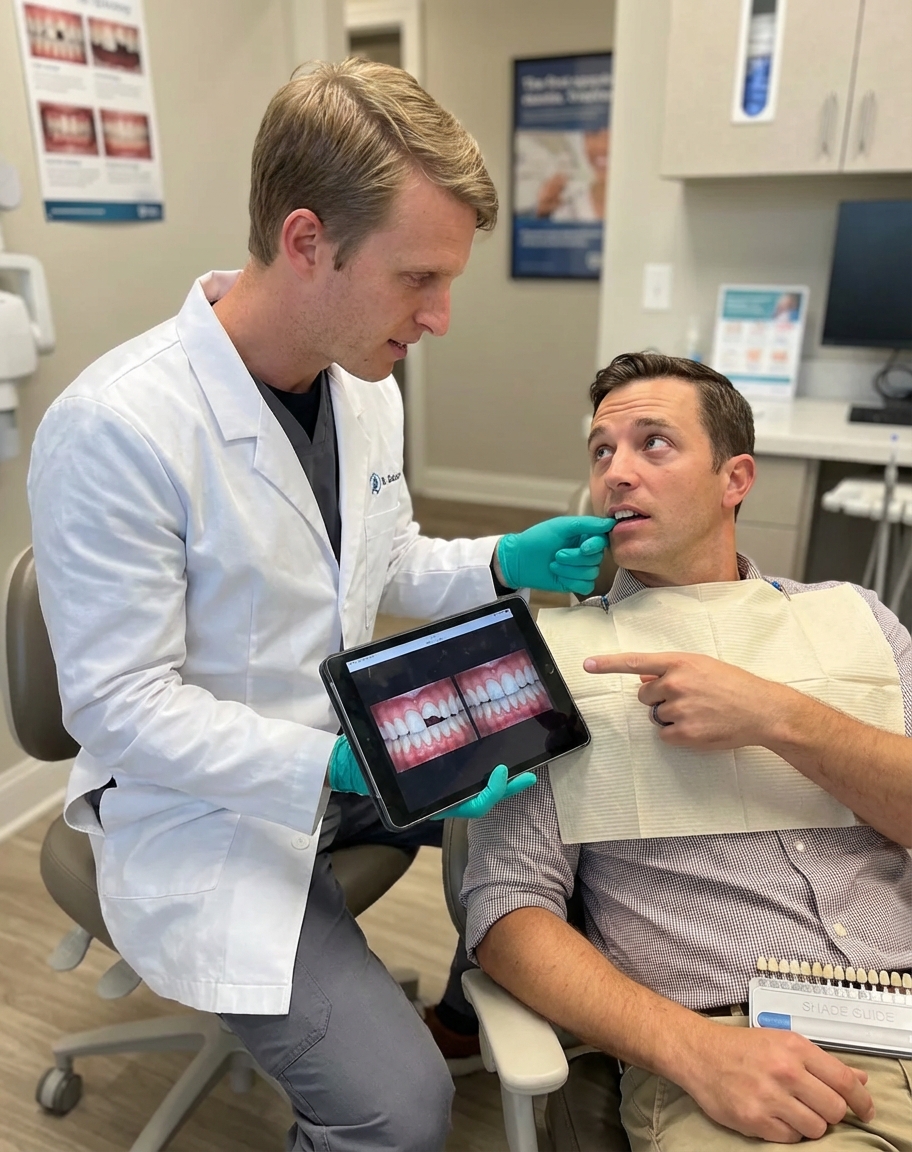
Anterior Bonding
Anterior bonding improves the appearance of front teeth by repairing chips, gaps, and uneven edges for a natural, confident smile.
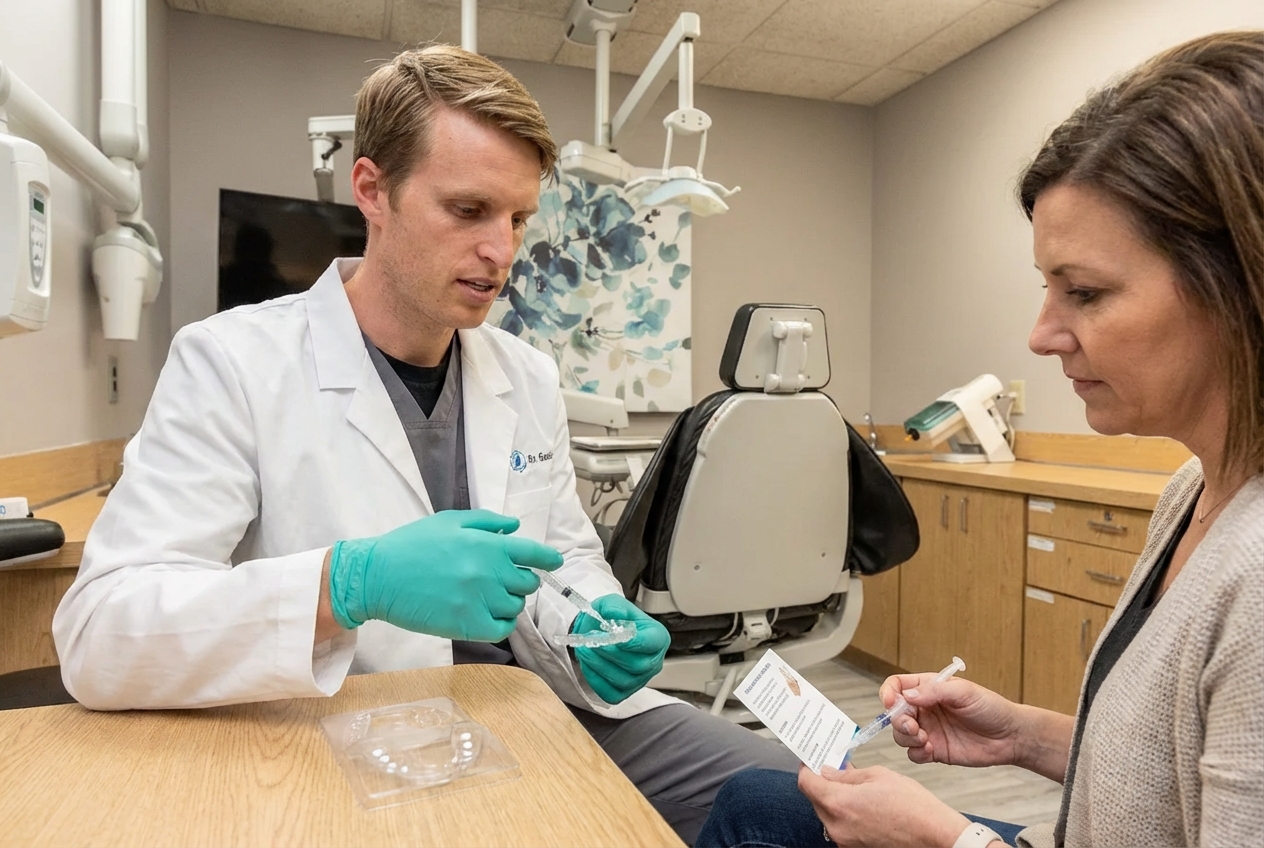
Tooth-Colored Fillings
Tooth-colored fillings repair cavities and minor damage while blending seamlessly with your natural teeth for a healthier, more natural-looking smile.
.png)
Advanced Restorative Dental Care
Whether you need a simple filling or a full restoration, Gasior Family Dental in Ann Arbor, MI provides personalized care that restores both the health and appearance of your smile.
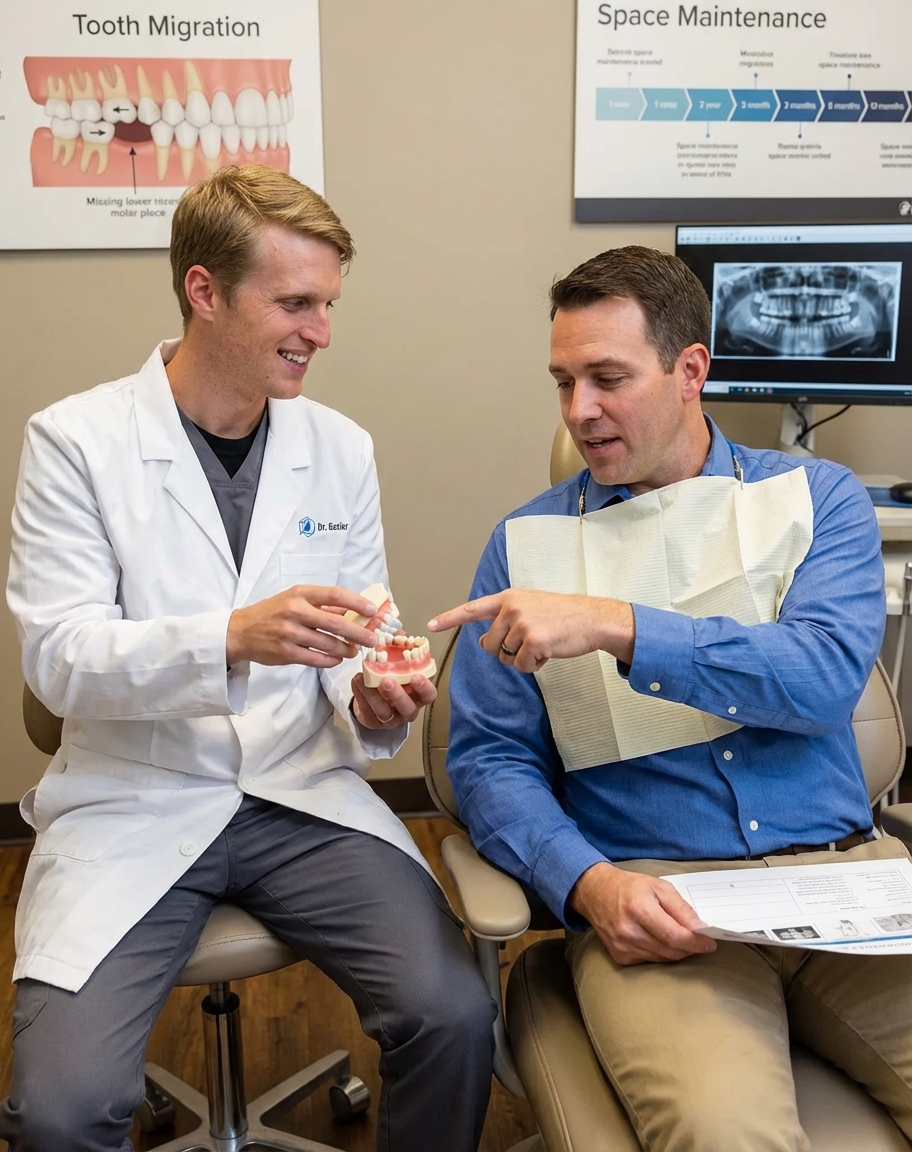
CEREC Crowns & Onlays
CEREC crowns and onlays restore damaged teeth with custom, natural-looking restorations designed, created, and placed in a single visit.

Crowns & Bridges
Crowns and bridges restore damaged or missing teeth to improve strength, function, and appearance while supporting long-term oral stability.
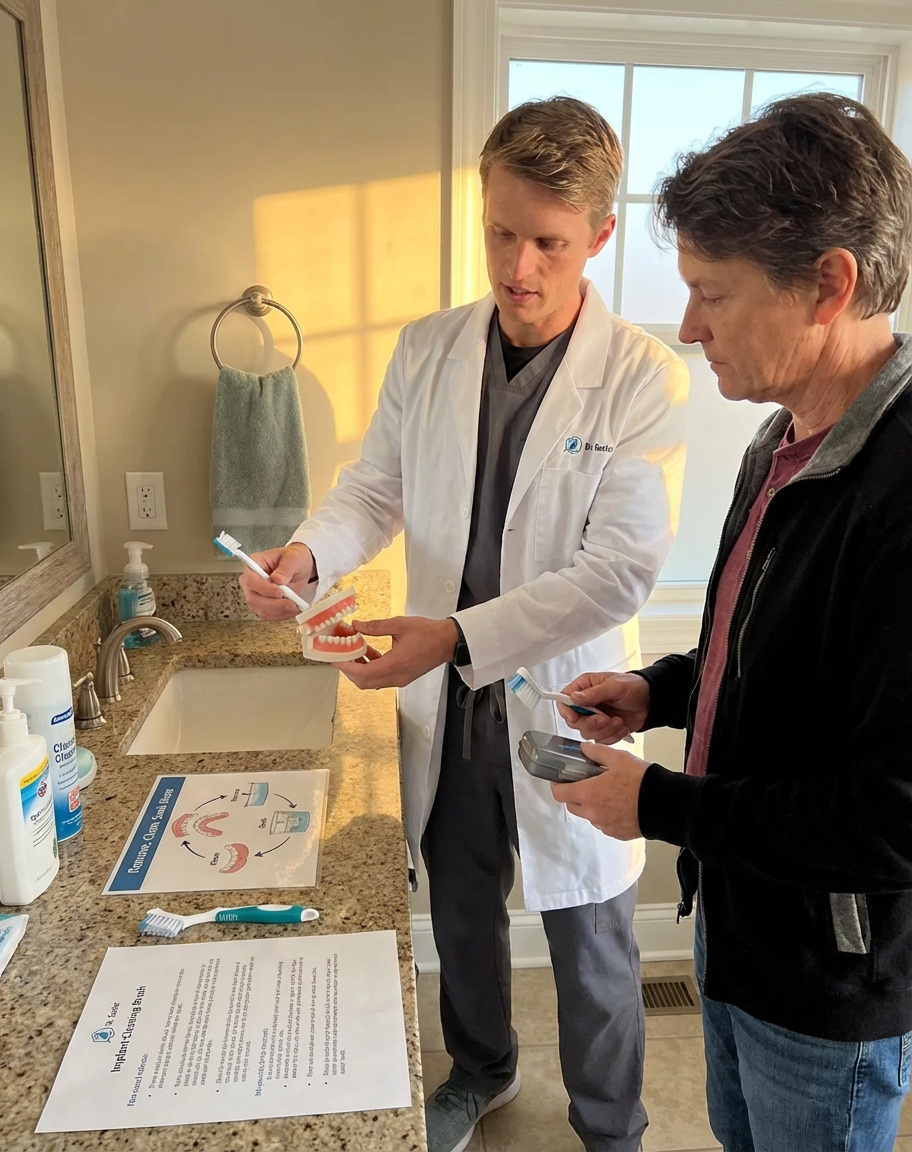
Dentures
Dentures replace missing teeth to restore your smile, improve chewing and speech, and support overall oral function and confidence.
.png)
Partial Dentures
Partial dentures replace missing teeth while preserving remaining natural teeth, helping restore function, appearance, and oral balance.

Dental Implants
Dental implants provide a secure, long-term solution for replacing missing teeth while supporting jawbone health, function, and natural appearance.
.jpeg)
Periodontal Deep Cleaning
Periodontal deep cleaning helps remove bacteria, plaque, and tartar from beneath the gumline to control gum disease and support long-term oral stability.
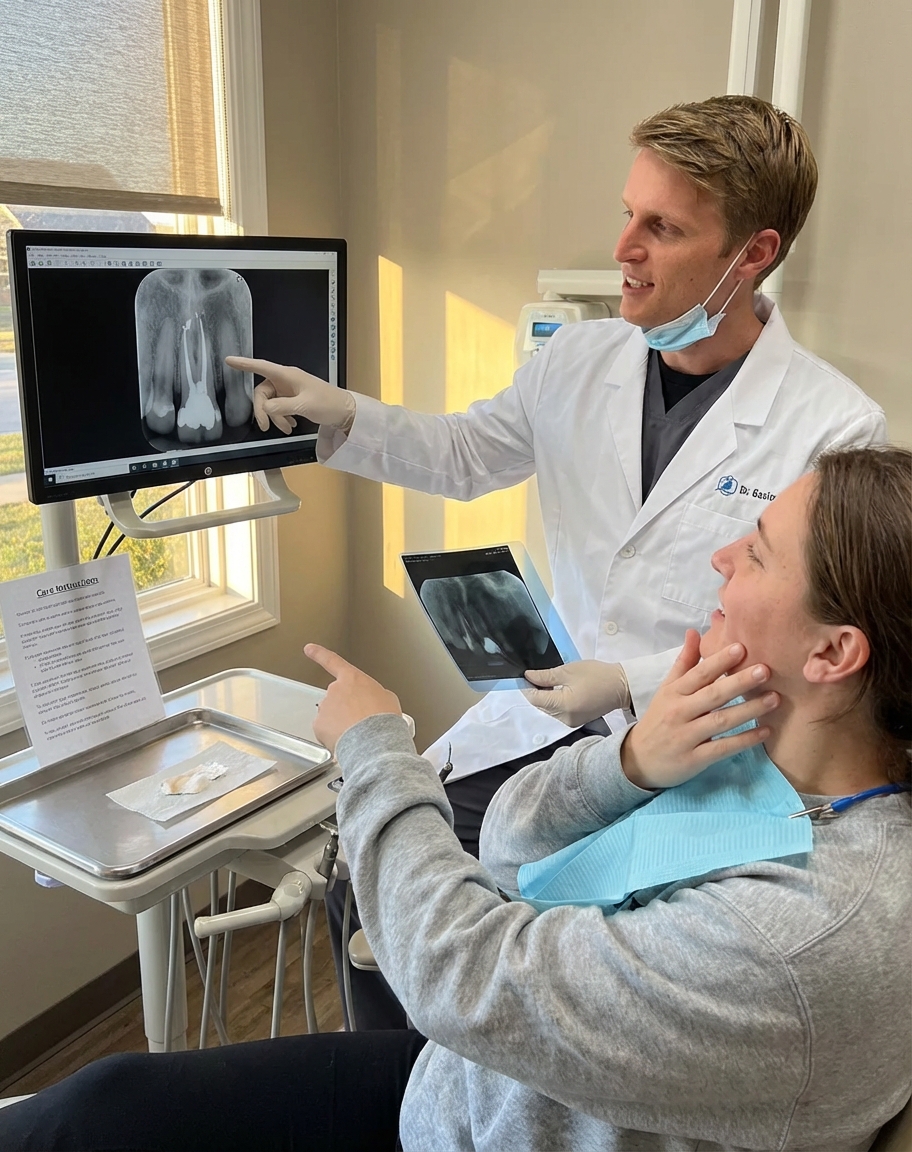
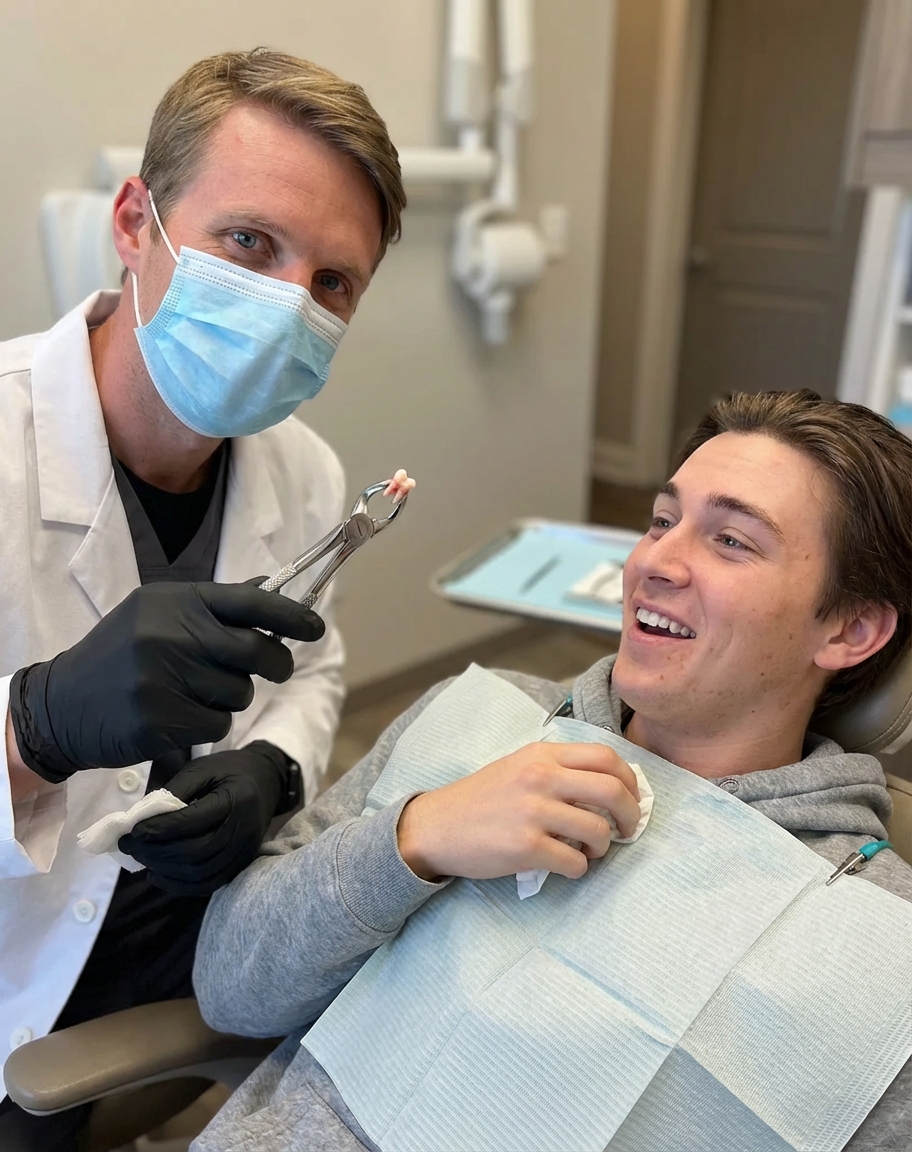
Advanced Protective Dental Care
At Gasior Family Dental in Ann Arbor, MI, our protective dental treatments are thoughtfully designed to help prevent damage, reduce the risk of decay, and support long-term oral health for lasting, confident smiles.
.jpeg)
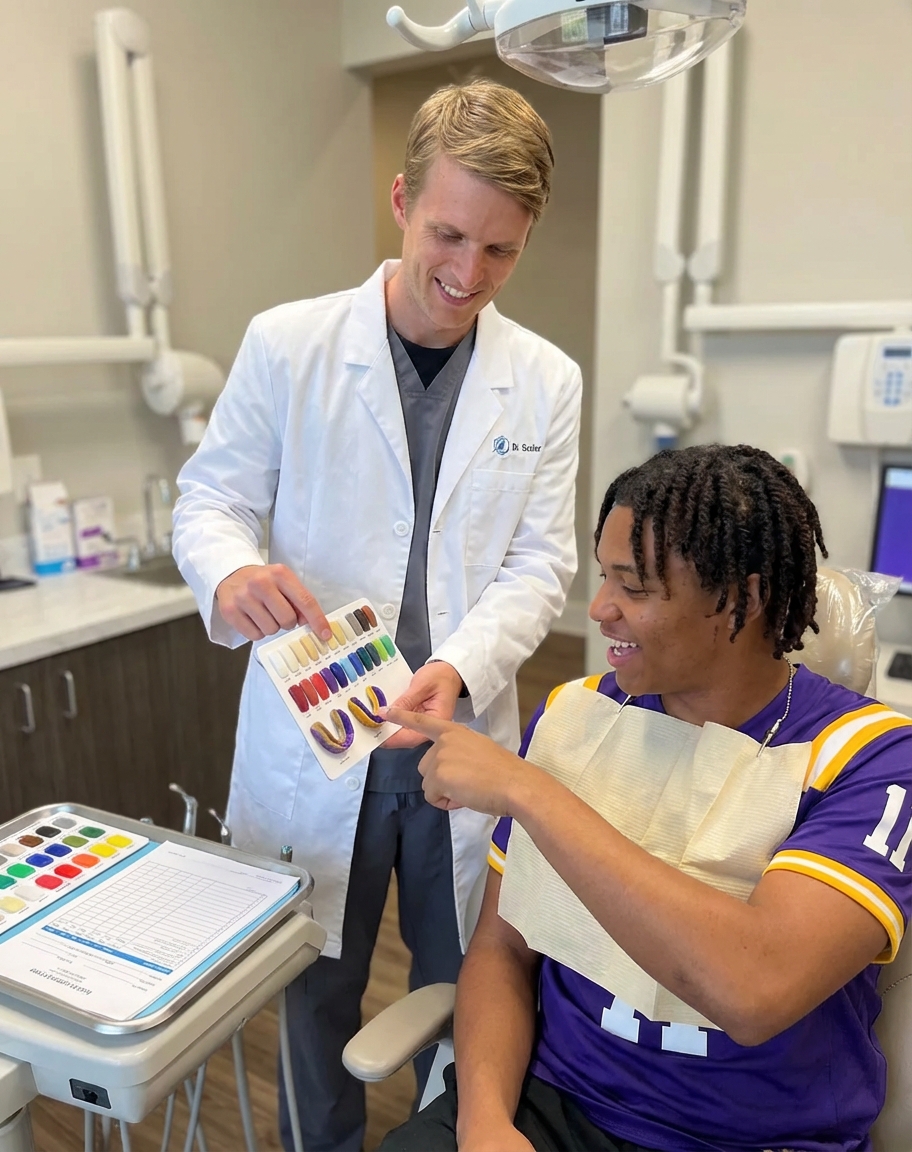
Benefits of Tooth-Colored Fillings
Discover why tooth-colored fillings are trusted for restoring teeth while preserving a natural smile.
Natural Appearance
Tooth-colored fillings blend with surrounding teeth, keeping restorations discreet and natural-looking.

Strong Tooth Support
The composite material bonds directly to the tooth, helping restore strength and stability.

Preserves More Tooth Structure
Less tooth removal is often needed compared to traditional metal fillings.
Who Benefits from Tooth-Colored Fillings?

Tooth-colored fillings are ideal for patients with cavities, minor cracks, or worn areas who want a natural-looking repair. They are suitable for both front and back teeth and are often chosen by patients seeking metal-free restorations.
Patients replacing older fillings or addressing new decay can benefit from this conservative treatment option. A dental evaluation helps determine if tooth-colored fillings are the best solution based on oral health and bite function.
Benefits of Tooth-Colored Fillings
Discover why tooth-colored fillings are trusted for restoring teeth while preserving a natural smile.
Natural Appearance
Tooth-colored fillings blend with surrounding teeth, keeping restorations discreet and natural-looking.
Strong Tooth Support
The composite material bonds directly to the tooth, helping restore strength and stability.
Preserves More Tooth Structure
Less tooth removal is often needed compared to traditional metal fillings.
Who Benefits from Tooth-Colored Fillings?
Tooth-colored fillings are ideal for patients with cavities, minor cracks, or worn areas who want a natural-looking repair. They are suitable for both front and back teeth and are often chosen by patients seeking metal-free restorations.
Patients replacing older fillings or addressing new decay can benefit from this conservative treatment option. A dental evaluation helps determine if tooth-colored fillings are the best solution based on oral health and bite function.
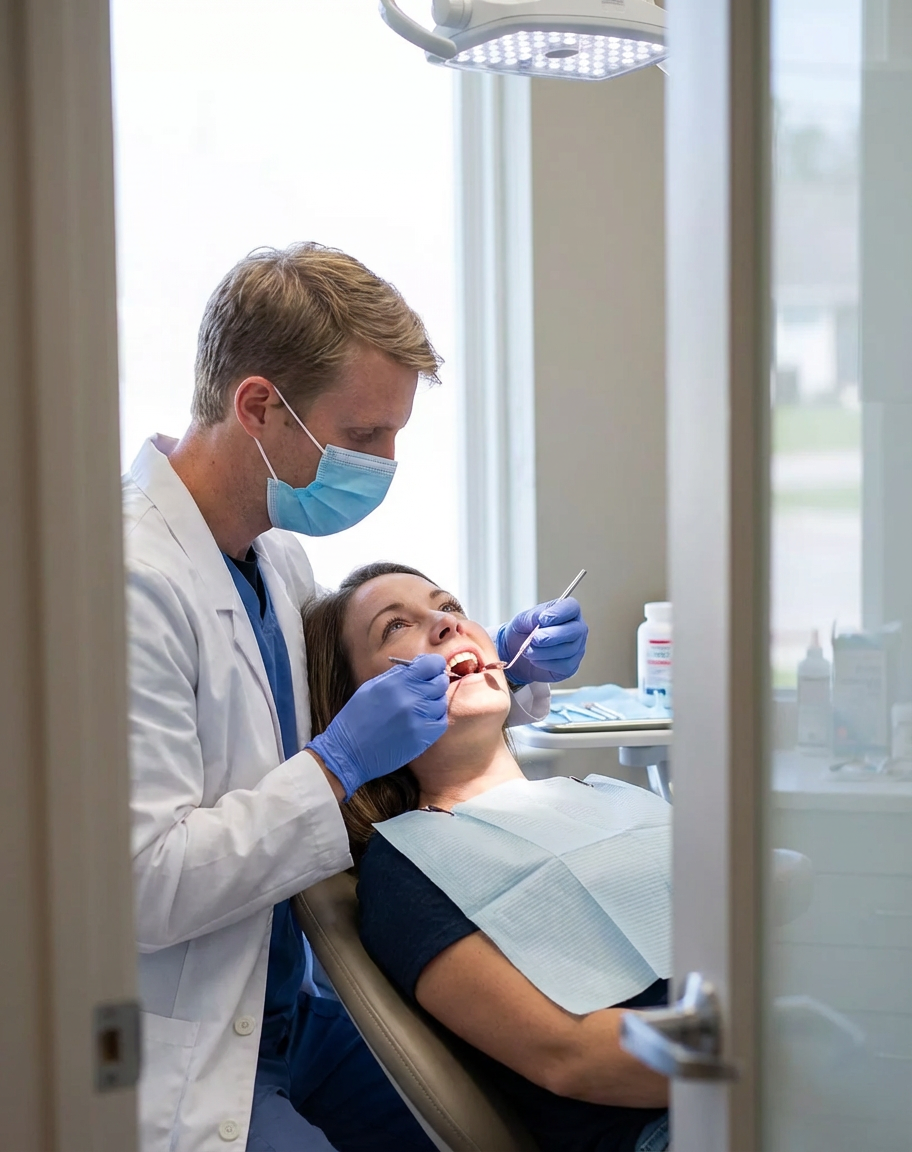
Technology That Supports Tooth-Colored Fillings
Tooth-colored fillings are ideal for patients with cavities, minor cracks, or worn areas who want a natural-looking repair. They are suitable for both front and back teeth and are often chosen by patients seeking metal-free restorations.
Patients replacing older fillings or addressing new decay can benefit from this conservative treatment option. A dental evaluation helps determine if tooth-colored fillings are the best solution based on oral health and bite function.
What to Expect During Your Visit
Your visit begins with an exam to assess the affected tooth. Any decay is removed, and the composite material is applied, shaped, and polished. The result is a restored tooth that looks natural and functions comfortably, often completed in one appointment.
Before Your Appointment
- Brush and floss thoroughly before your visit
- Note any sensitivity or discomfort
- Avoid heavy meals immediately before your appointment
After Your Appointment
- Avoid chewing on the treated area until numbness wears off
- Expect mild sensitivity temporarily
- Resume normal brushing and flossing later the same day
What Our Patients Say
Don't just take our word for it – hear from the Ann Arbor families who trust us with their smiles.
I love going to Maryann Griffith, D.D.S. Because the staff is warm and welcoming, as well as top notch. My teeth have never been better!
I love this practice! Patient oriented, friendly but very professional, well trained individuals who are on their game!
Excellent cleaning as always. Dr. Gasior addressed all of my concerns; explaining all my options, and answered all of my questions.
- 4.9/5AVERAGE RATING
- 10K+GOOGLE REVIEWS
- 98%WOULD RECOMMEND
Frequently Asked Questions
How long do tooth-colored fillings last?
With proper care, they can last many years and often rival traditional fillings in durability.
Do tooth-colored fillings look natural?
Yes. The composite material is color-matched to blend seamlessly with your teeth.
Are tooth-colored fillings safe?
Yes. They are metal-free and considered a safe, effective restorative option.
Can old metal fillings be replaced with tooth-colored fillings?
Yes. Many patients choose to replace metal fillings for aesthetic and comfort reasons.
Is the procedure painful?
Most fillings are completed comfortably with local anesthesia if needed.
Stay Informed with Expert Insights & Tips About Tooth-Colored Fillings

No Related Blog Posts Yet
We’re working on new articles to help you care for your smile. Check back soon for updates from Gasior Family Dentistry.
Ready to Experience
the Difference?
Join thousands of families who trust Gasior Family Dentistry in Ann Arbor for their oral health care. From routine cleanings to complete smile makeovers, our team is here to help you achieve a healthy, confident smile. Schedule your appointment today and discover why our patients love visiting our office.
Schedule Your
First Appointment
Ready to experience exceptional dental care? We're here to answer your questions and book your appointment.

Thank you for booking your appointment!
We’ve received your request and will contact you soon to confirm the details. We look forward to seeing you at Gasior Family Dentistry.
We couldn’t submit your form.
Something interrupted the process, possibly a slow connection or a temporary glitch. Try again in a moment. If your info disappeared, we're really sorry and ready to help if you need it.